Syntax

Seminar ‘Corpus Linguistics’

Quirin Würschinger, LMU Munich

June 26, 2025

Session Overview

1. Theory and Research

  • Theoretical framework (EC-Model)
  • Case study: N+BE+that construction
  • Research findings

2. Practice

  • Corpus analysis with Sketch Engine
  • Hands-on exercises

The Paper: Schmid & Mantlik (2015)

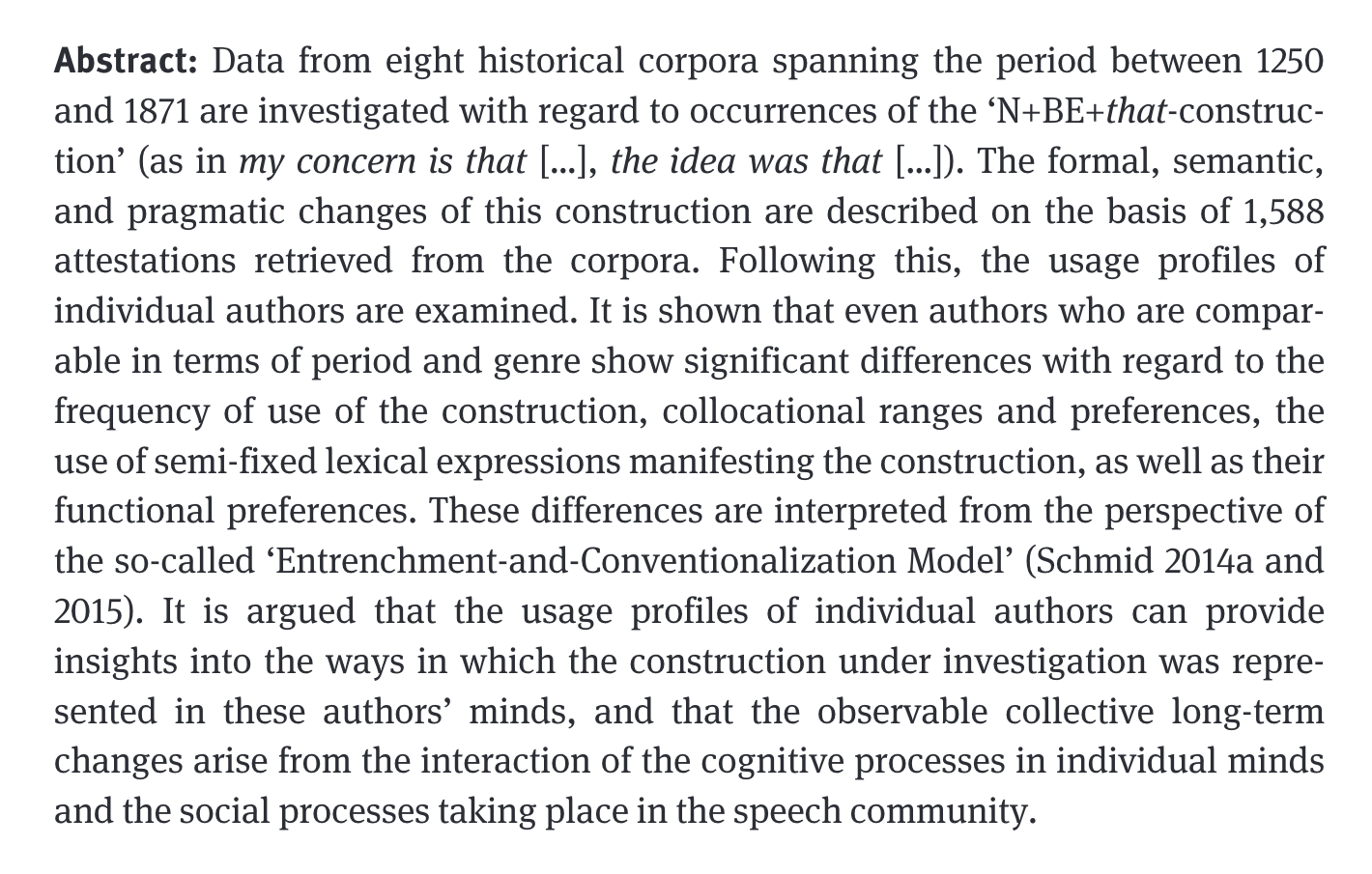
Abstract

Abstract from Schmid & Mantlik (2015, p. 583)

Theoretical Framework

Entrenchment-and-Conventionalisation Model (Schmid and Mantlik 2015; Schmid 2020)

Entrenchment-and-Conventionalisation Model (Schmid 2020, p. 4)

Research Question

How do syntactic constructions change over time?

Case study: The N+BE+that construction

  • my concern is that […]
  • the idea was that […]
  • the thing is that […]
  • the worry is that […]

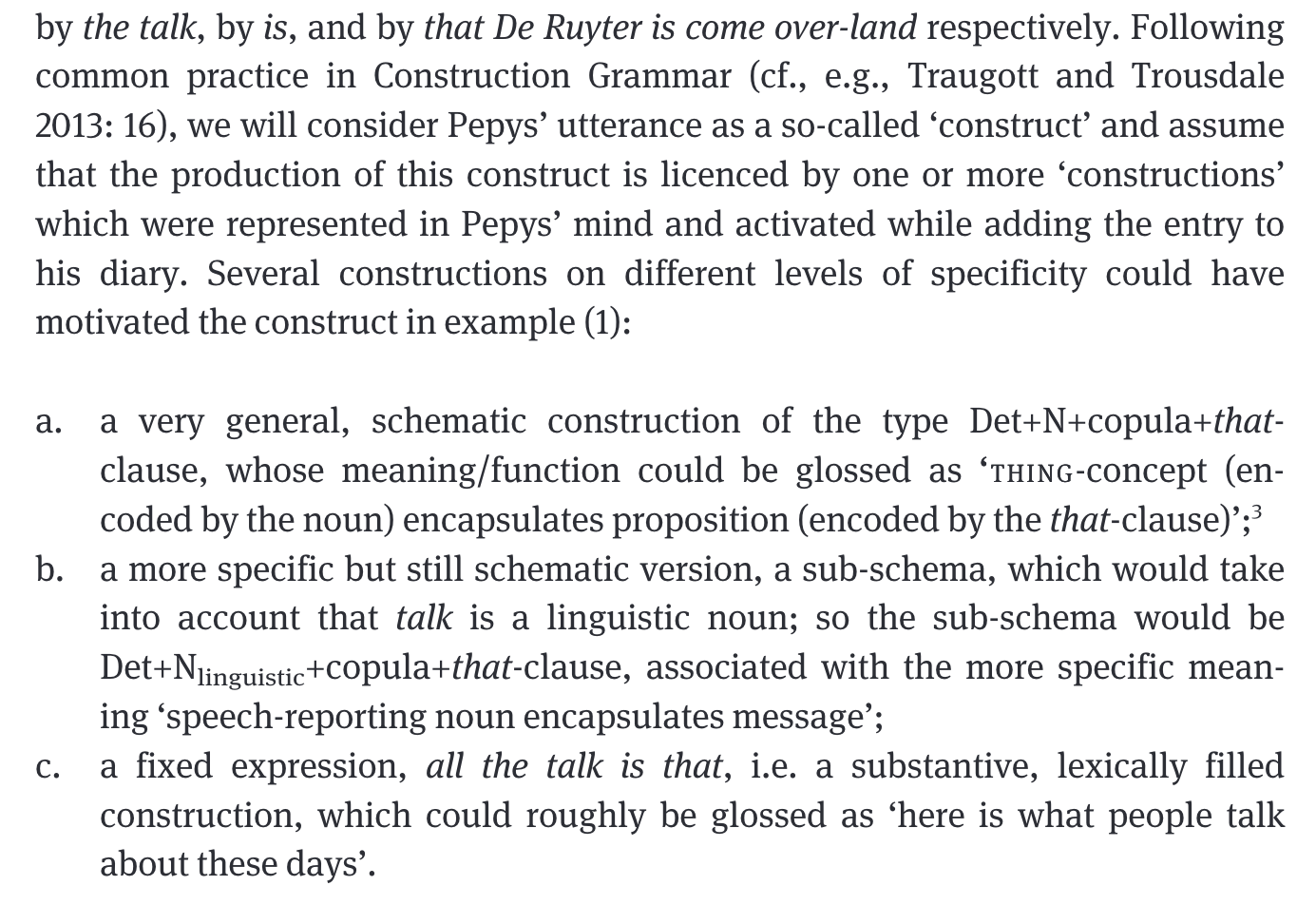
Construction Grammar Analysis

Analysis of the N+BE+that construction in Construction Grammar terms (Schmid & Mantlik 2015, p. 586)

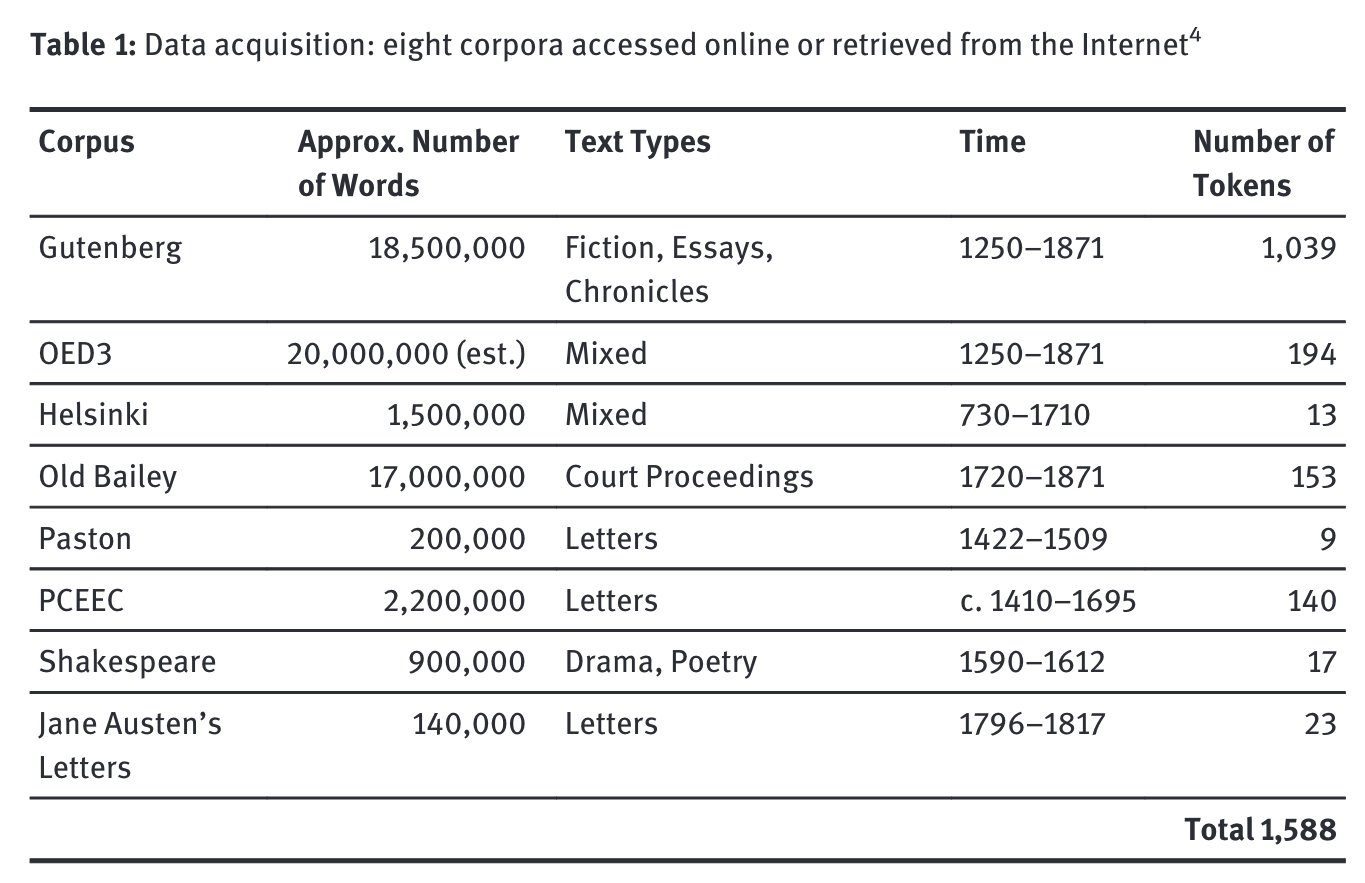
Data Sources

Historical corpora used in the study (p. 591)

Corpus Attestation

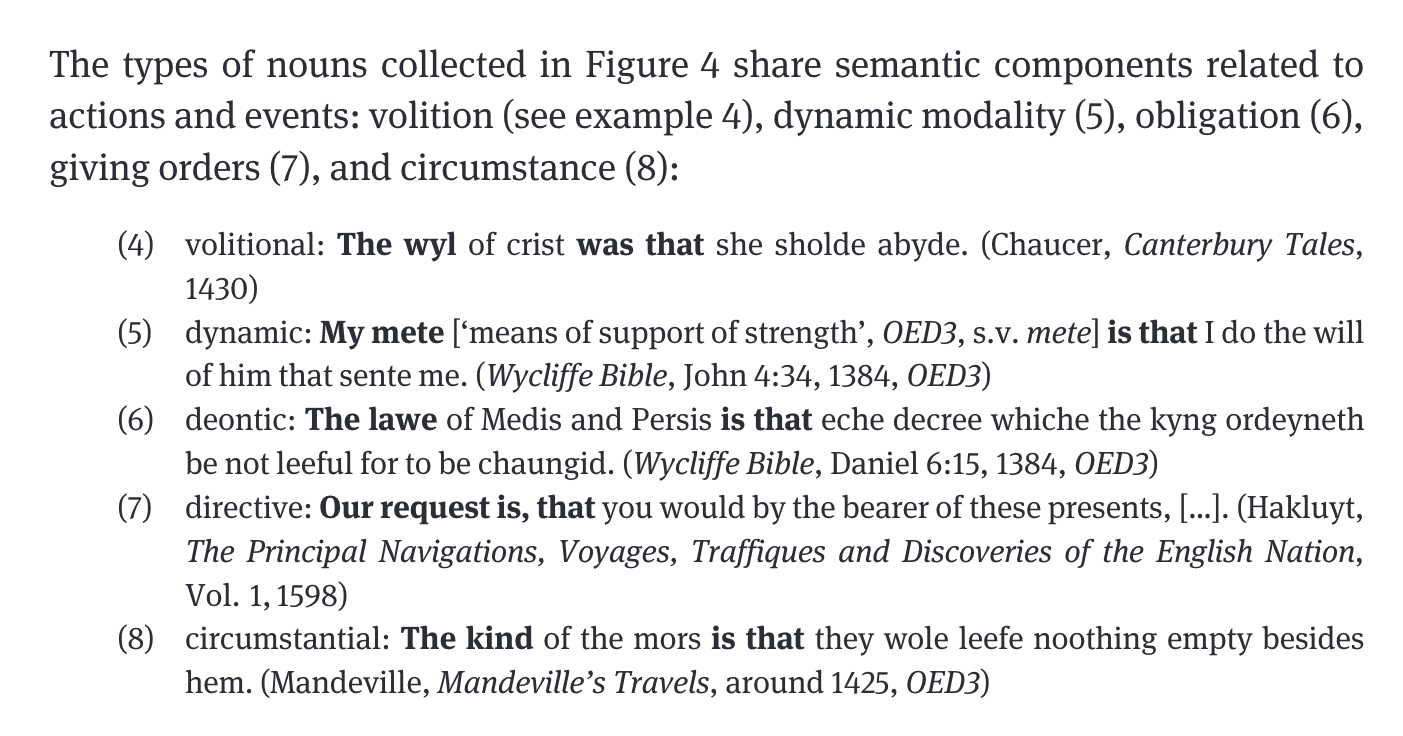
Examples from historical corpora (Schmid & Mantlik 2015, p. 586)

Research Results

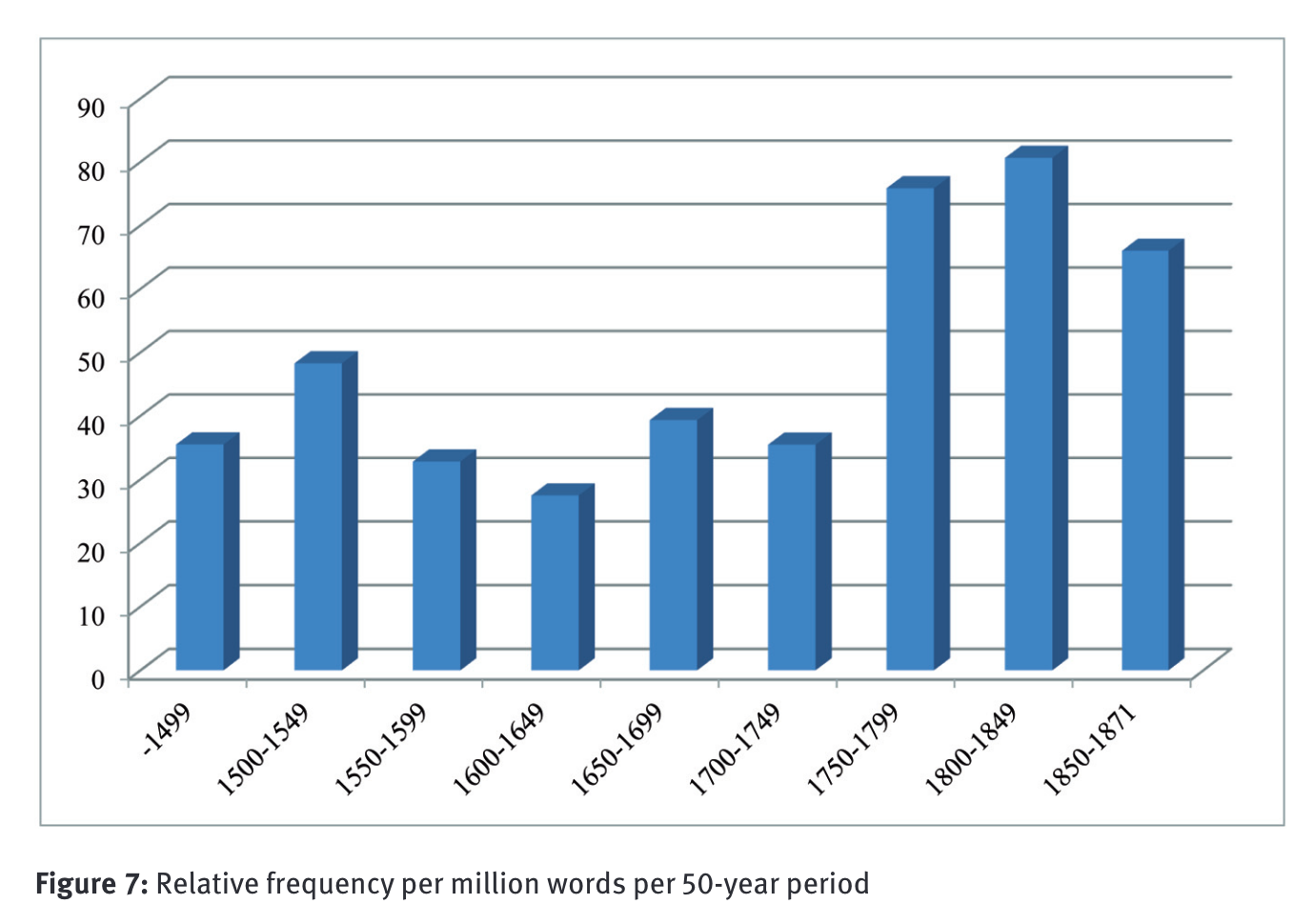
Diachronic Frequency

Steady increase from medieval to modern English (Schmid & Mantlik 2015, p. 601)

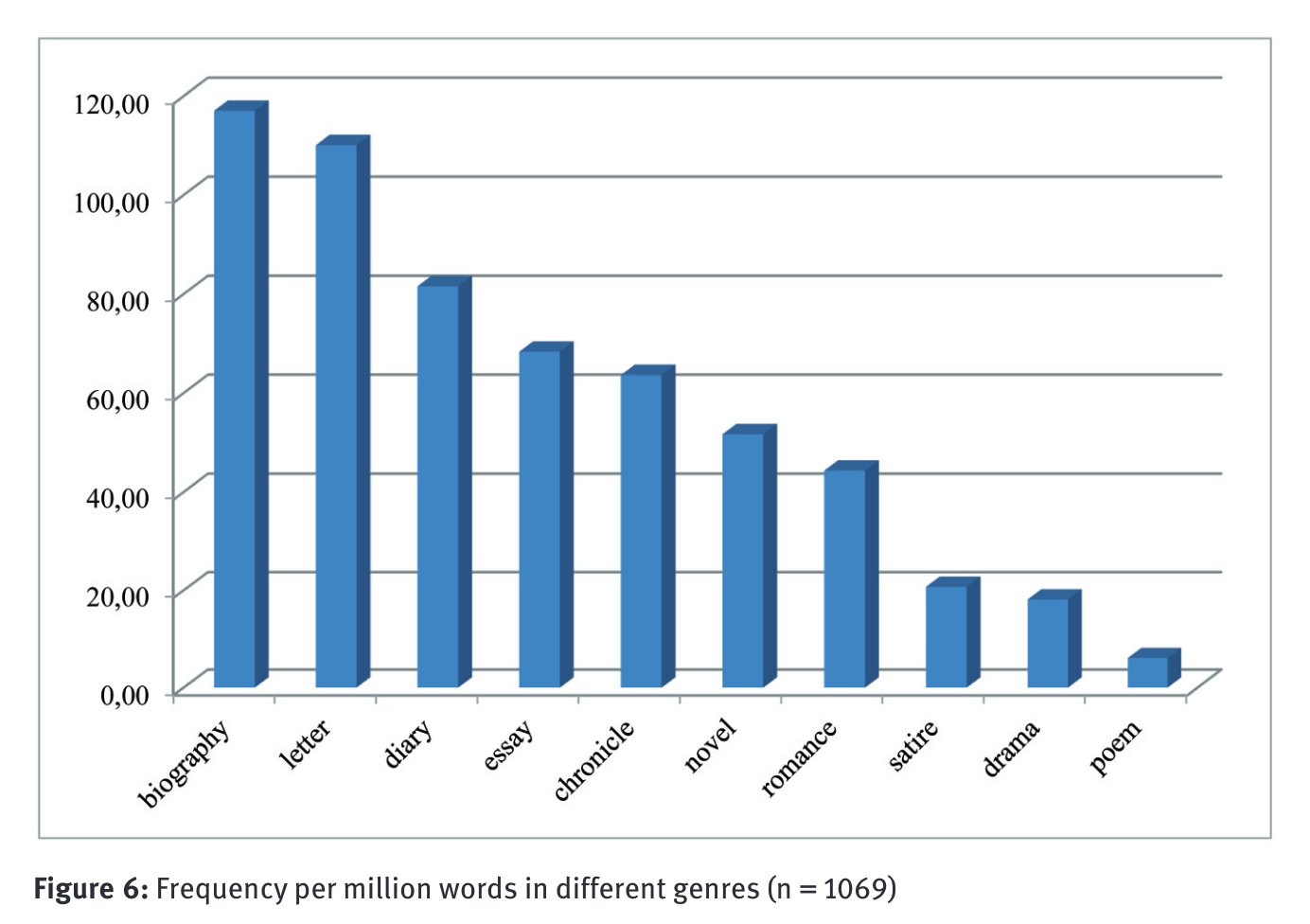
Text Type Distribution

Distribution across different text types (Schmid & Mantlik 2015, p. 600)

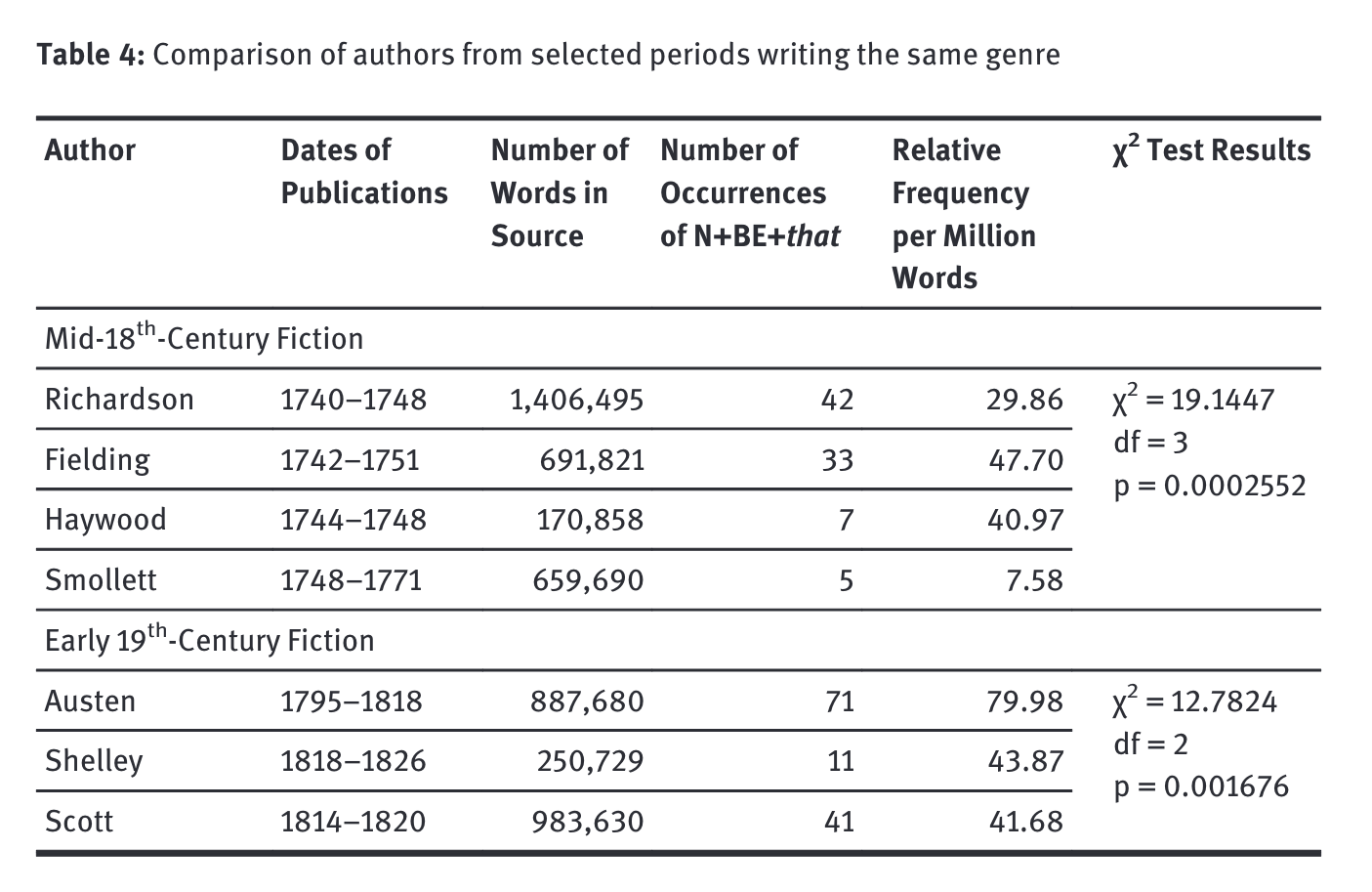
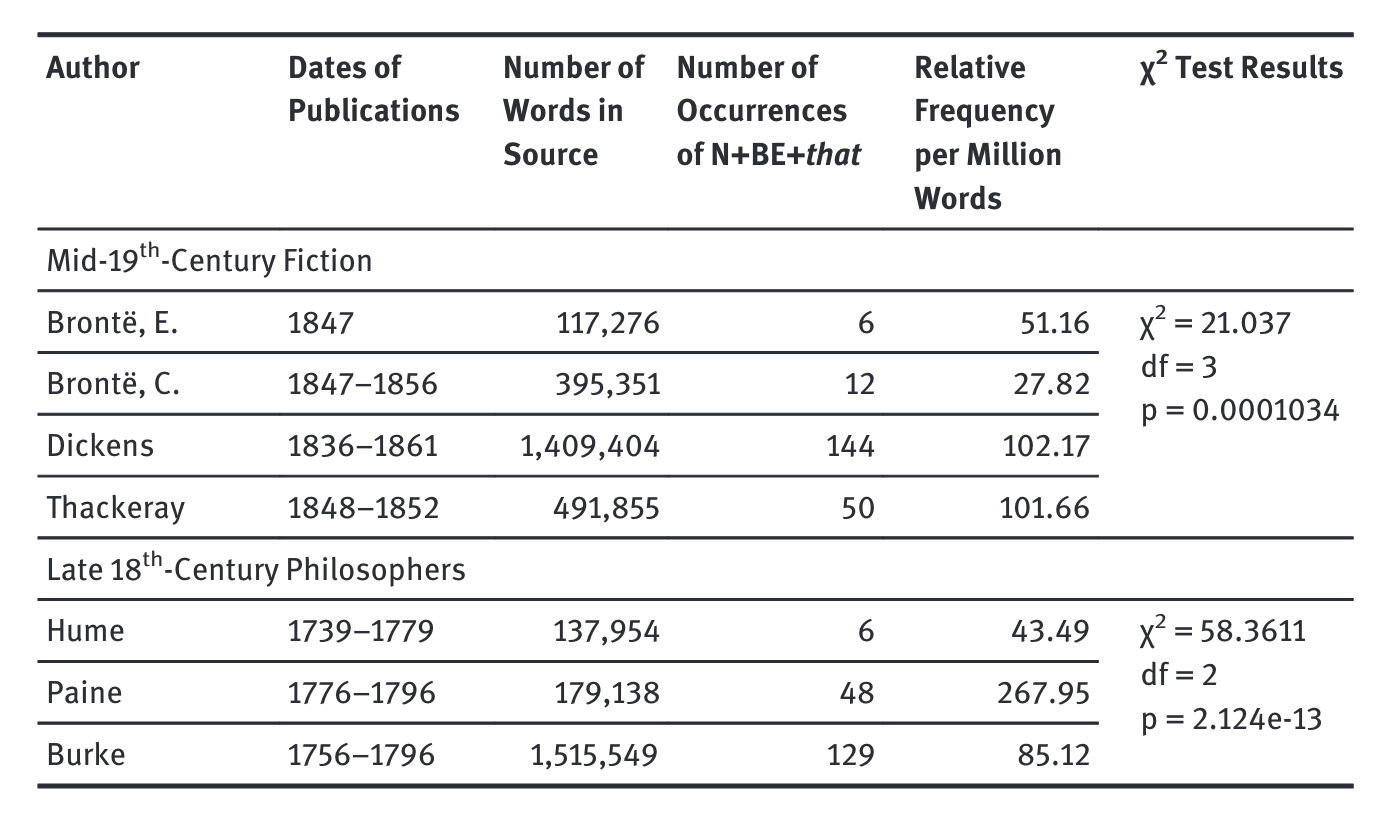
Speaker Variation

Individual author differences (Schmid & Mantlik 2015, p. 606)

Usage profiles of different authors (Schmid & Mantlik 2015, p. 607)

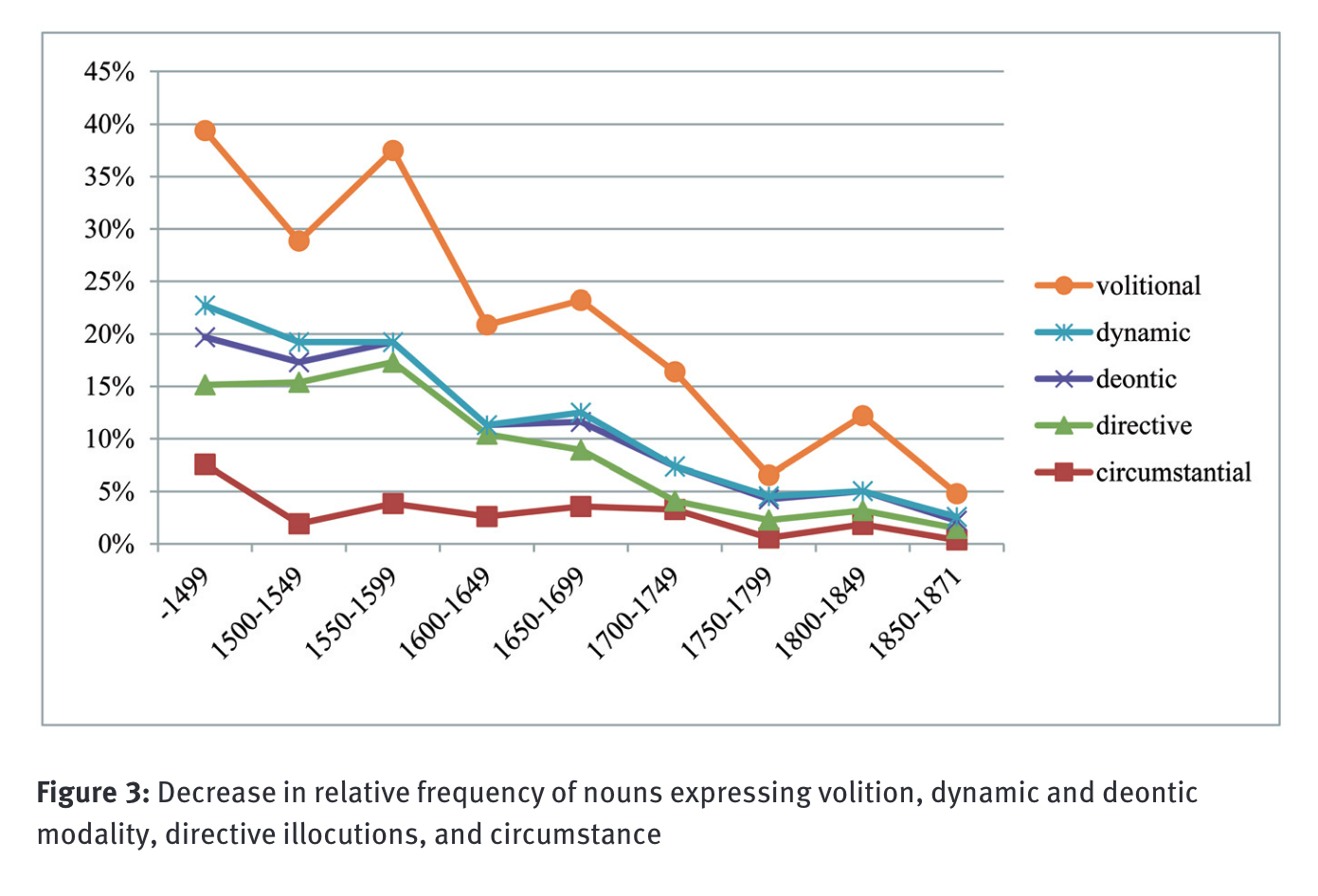
Semantic Change

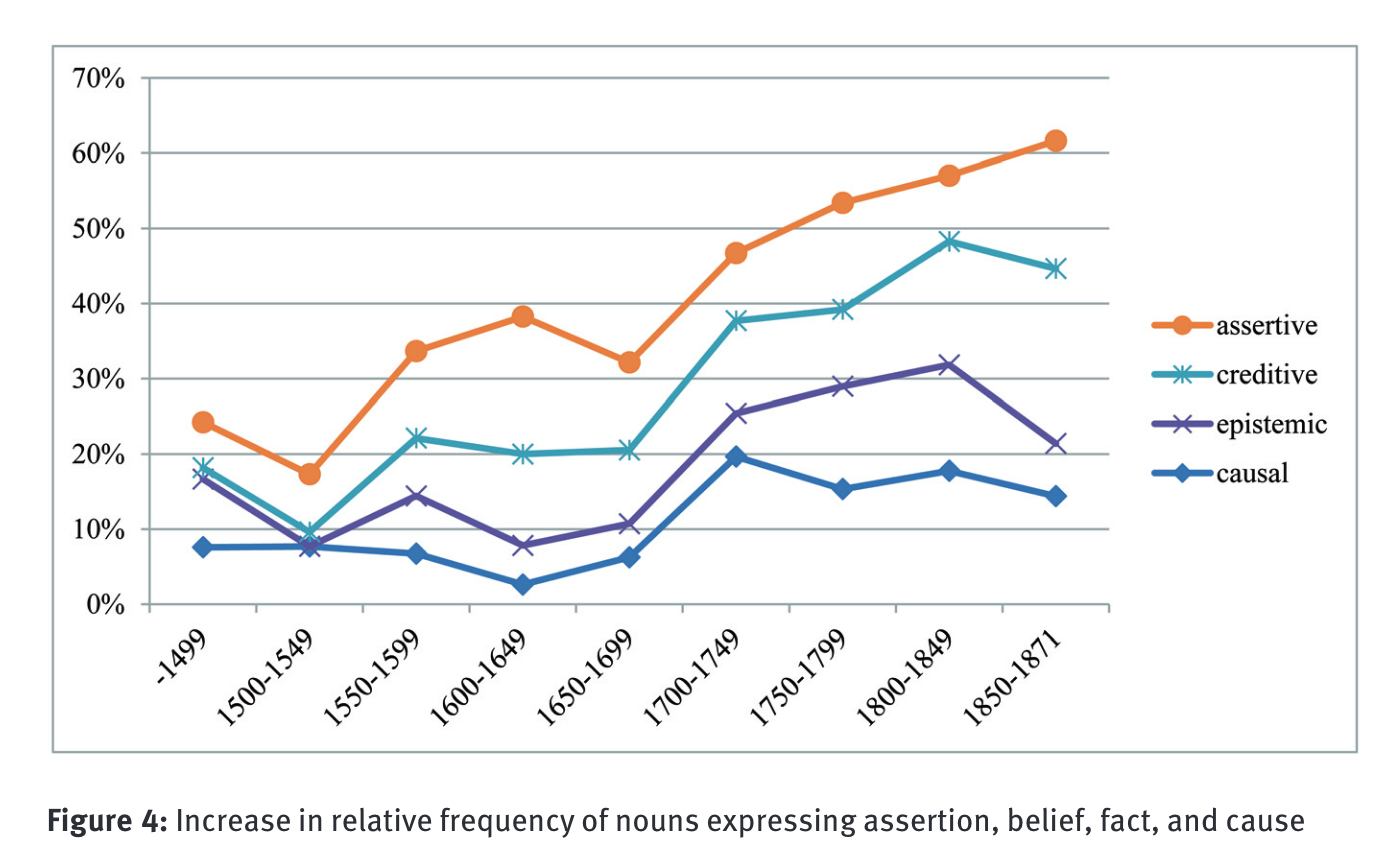
Changes in semantic preferences over time (Schmid & Mantlik 2015, p. 597)

Development of semantic categories (Schmid & Mantlik 2015, p. 598)

Detailed semantic analysis (Schmid & Mantlik 2015, p. 598)

Summary: What the Study Reveals

Key Patterns (1250-1871):

  • Frequency ↗️ Steady growth over 600+ years
  • Authors 👥 Individual cognitive differences
  • Meaning 🔄 Concrete → Abstract shift
  • Registers 📚 Genre-specific patterns

EC-Model Insights:

  • Usage drives historical change
  • Entrenchment varies by individual
  • Conventionalisation creates norms
  • Corpus data reveals cognitive processes

Bottom line: Syntactic constructions evolve through individual minds over historical time

Practice: Corpus Study

Tool: English Historical Book Collection (EEBO, ECCO, Evans) in Sketch Engine

Objective: Replicate the syntactic construction analysis

Your Tasks: Overview

What you’ll accomplish today:

  1. Search for the N+BE+that construction using concordance tools
  2. Analyse absolute and relative frequencies across time periods
  3. Export results and create visualisations in Excel
  4. Use CQL to investigate specific nouns in the construction
  5. Compare patterns between historical periods (1400s vs 1800s)
  6. Interpret findings using the EC-Model framework

Goal: Experience the full research workflow from corpus query to theoretical interpretation

Part 1: Basic Corpus Analysis

What you’ll do in Steps 1–3:

  1. Search for the N+BE+that construction in historical texts
  2. Analyse absolute and relative frequencies
  3. Explore how frequency changes over time (by century and decade)

Goal: Understand basic corpus query techniques and frequency analysis

Time: ~15 minutes

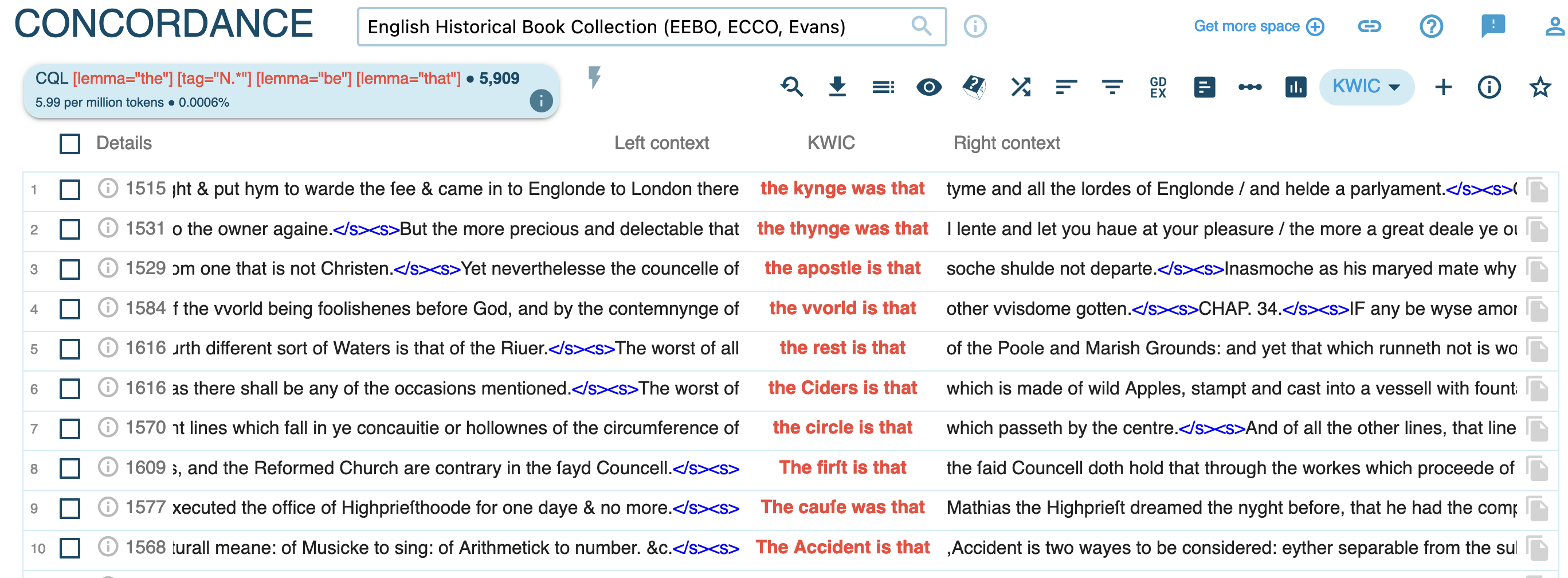
Step 1: Concordance Analysis

Query for the construction and get a concordance view

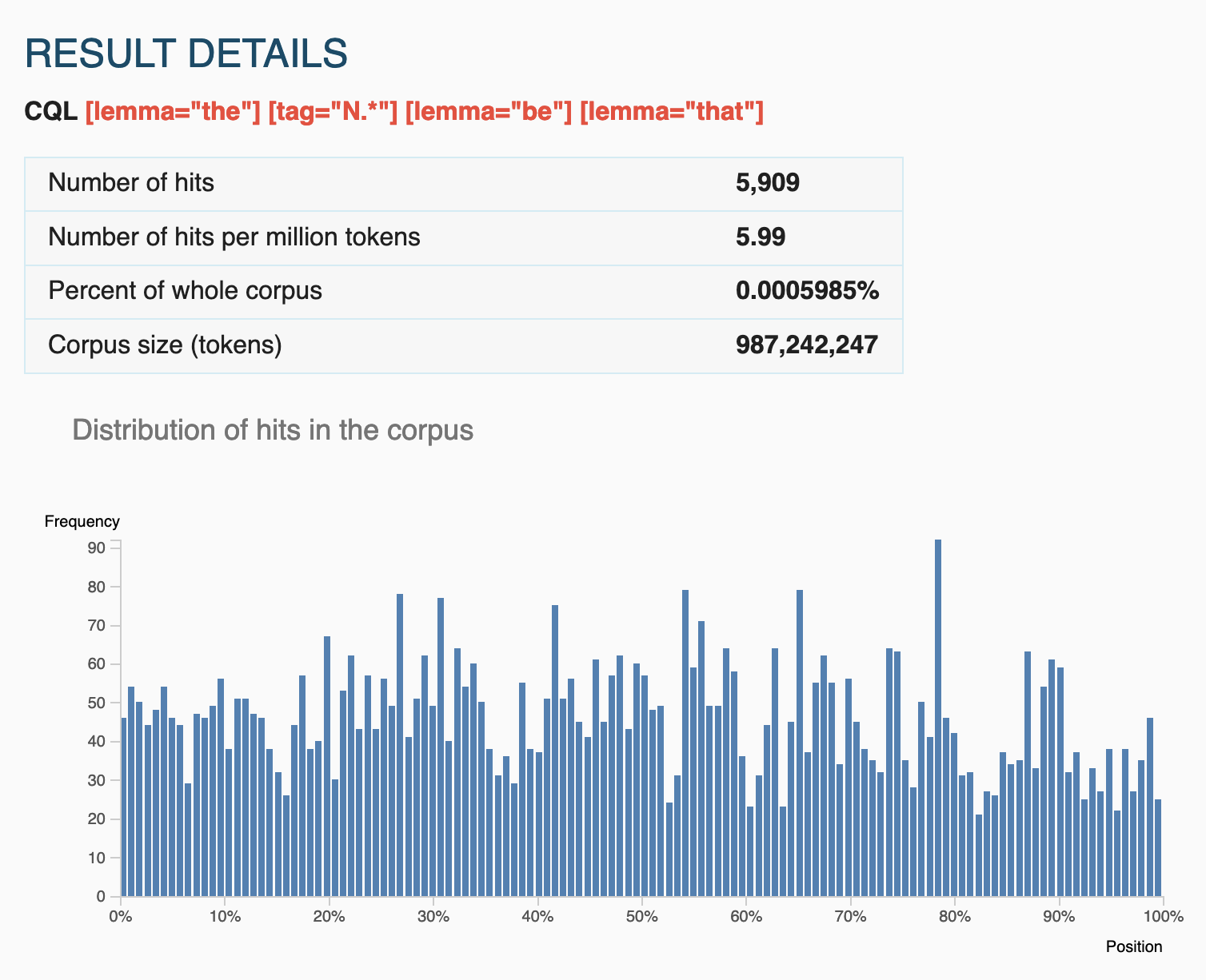
Step 2: Frequency Analysis

Frequency analysis results

Tasks:

  • absolute frequency: 5,909 tokens
  • relative frequency: 5.99 occurrences per million words (pmw)

Step 3: Diachronic Analysis

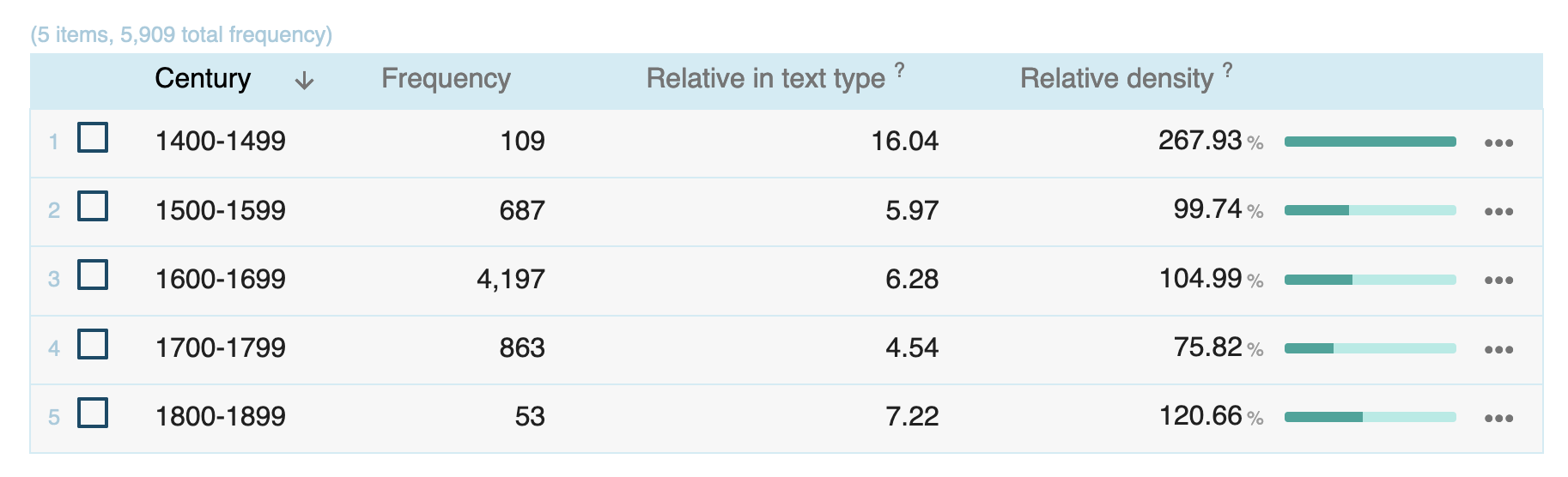
Frequency by Century

Grouped by text type Century

Timeline by Decade

More detailed temporal analysis

Part 2: Advanced Analysis & Visualisation

What you’ll do in Steps 4–5:

  1. Export your results to Excel for further analysis
  2. Create data tables and visualisation charts
  3. Use CQL to query specific nouns in the construction
  4. Compare patterns across different historical periods

Goal: Master data export, visualisation, and advanced corpus queries

Time: ~25 minutes

Step 4: Excel Analysis

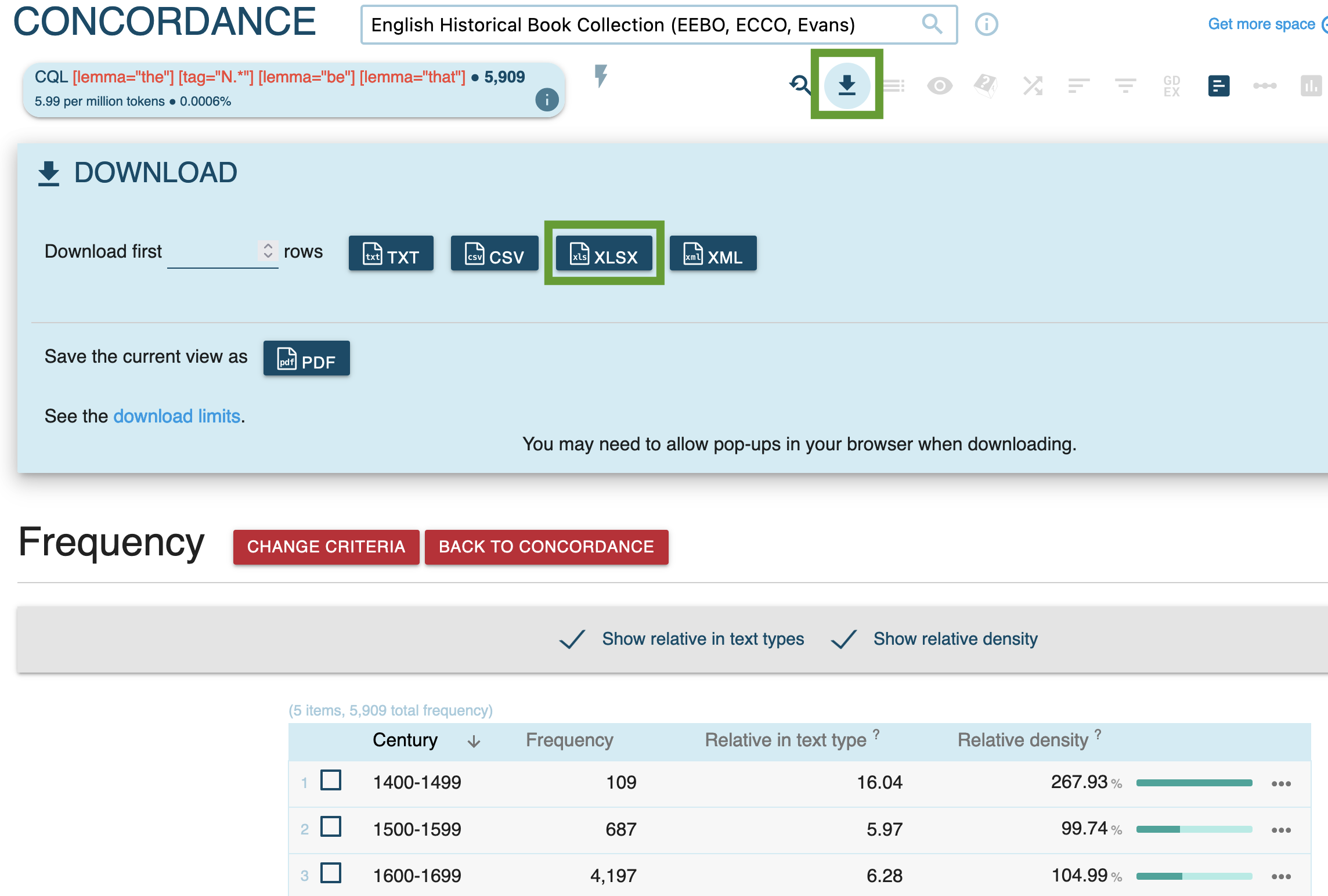
Export results in Excel format (.xlsx file type)

Model Solution Available

Excel file with sample analysis:
https://1drv.ms/x/s!AvkgNVl9yS6aokO4dB_h1_DiXKmw

  • export results in Excel format
  • create data tables
  • generate line charts for both absolute and relative frequencies

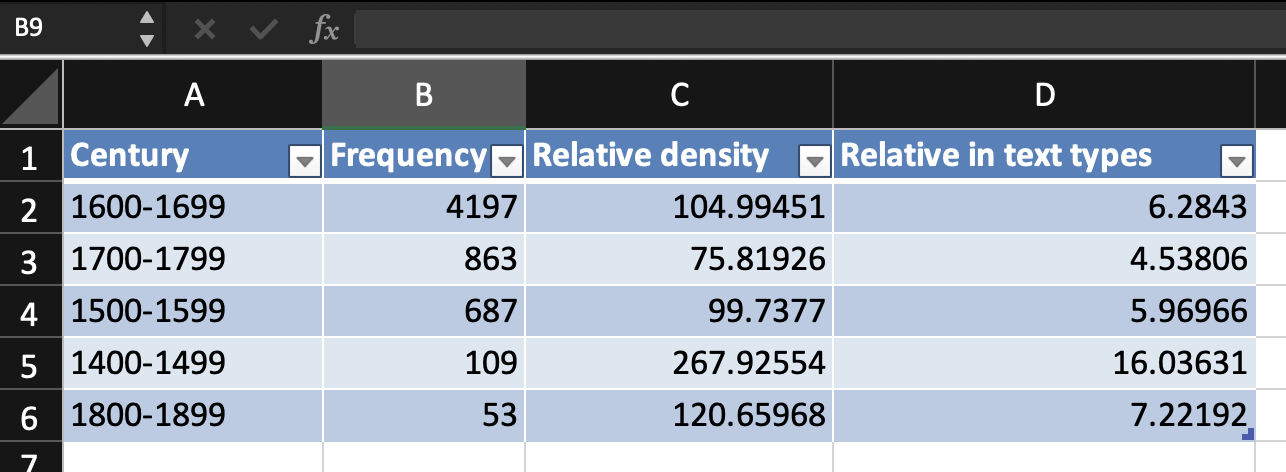
Creating Data Tables

Make a table for further analysis

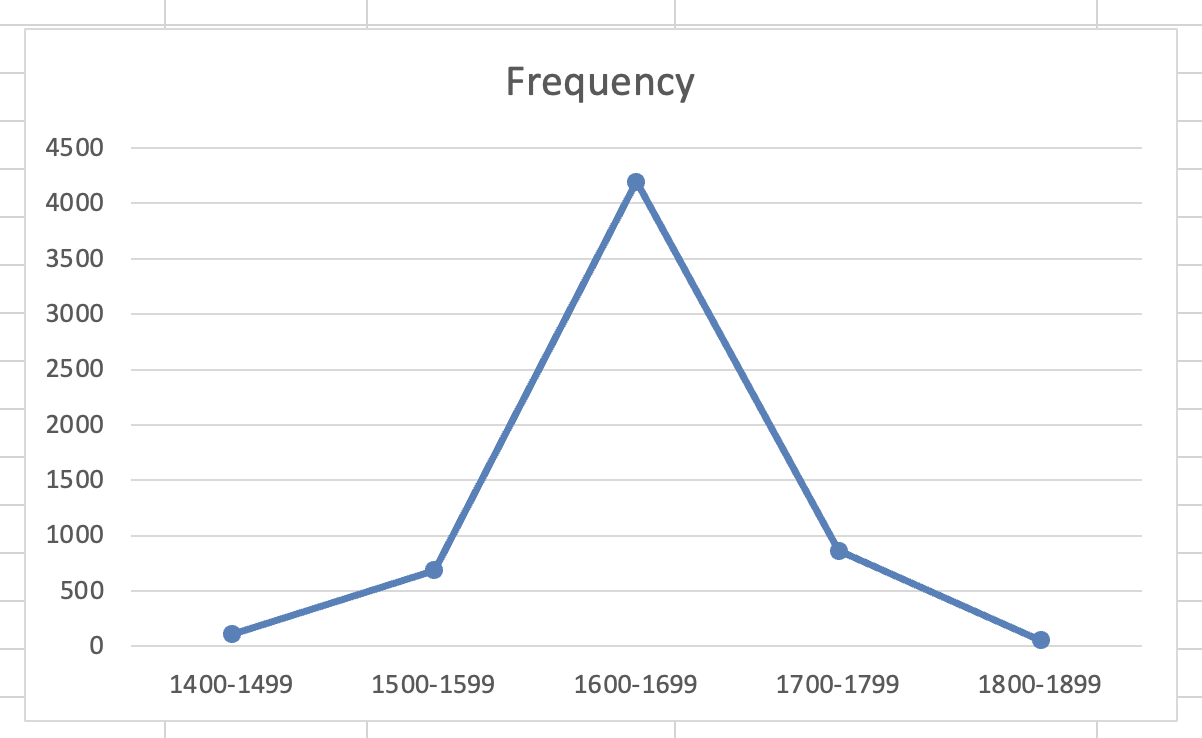
Line Charts: Absolute Frequency

Visualising absolute frequency development

Line Charts: Relative Frequency

Visualising relative frequency development

Step 5: CQL Analysis

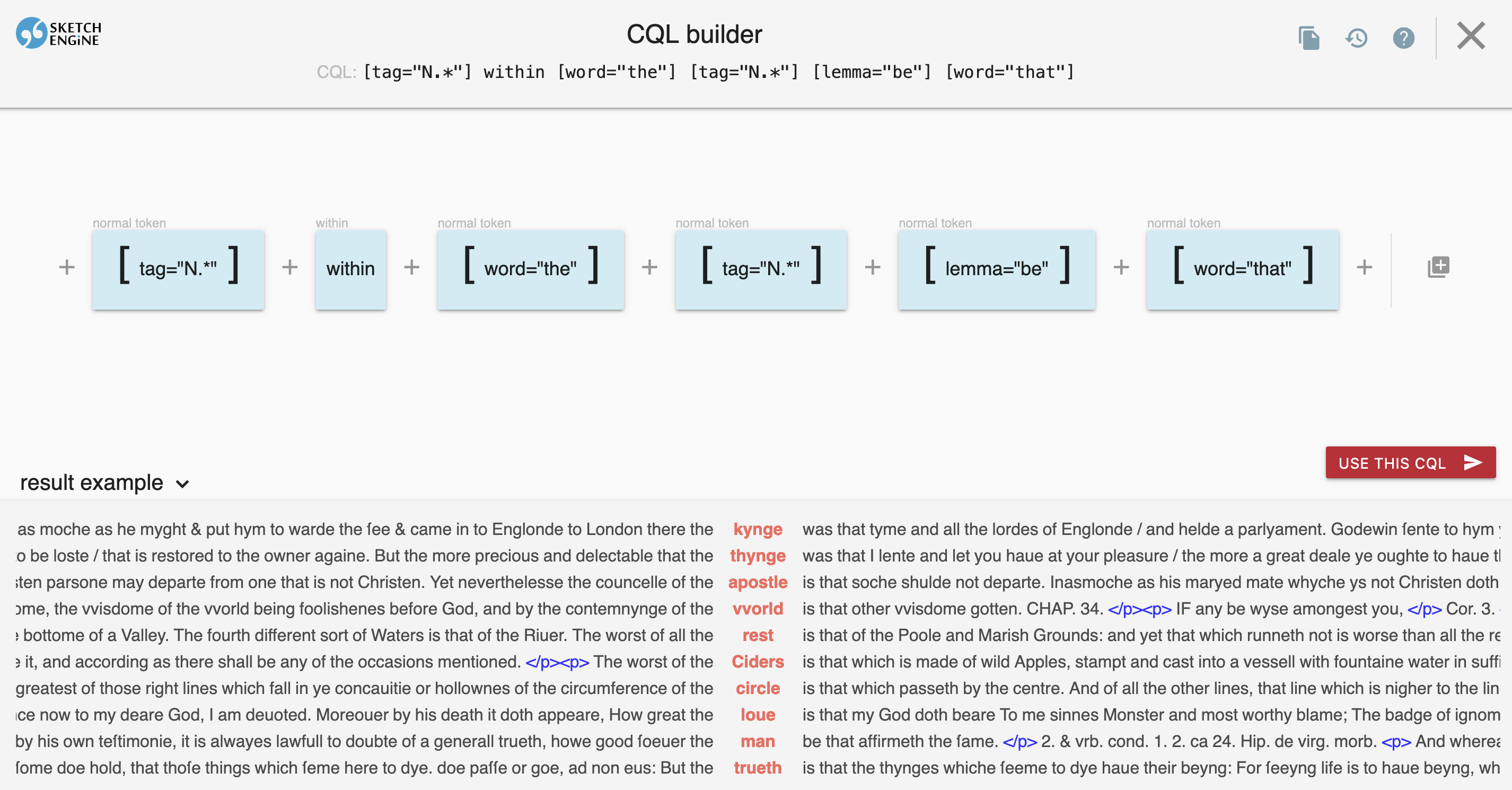
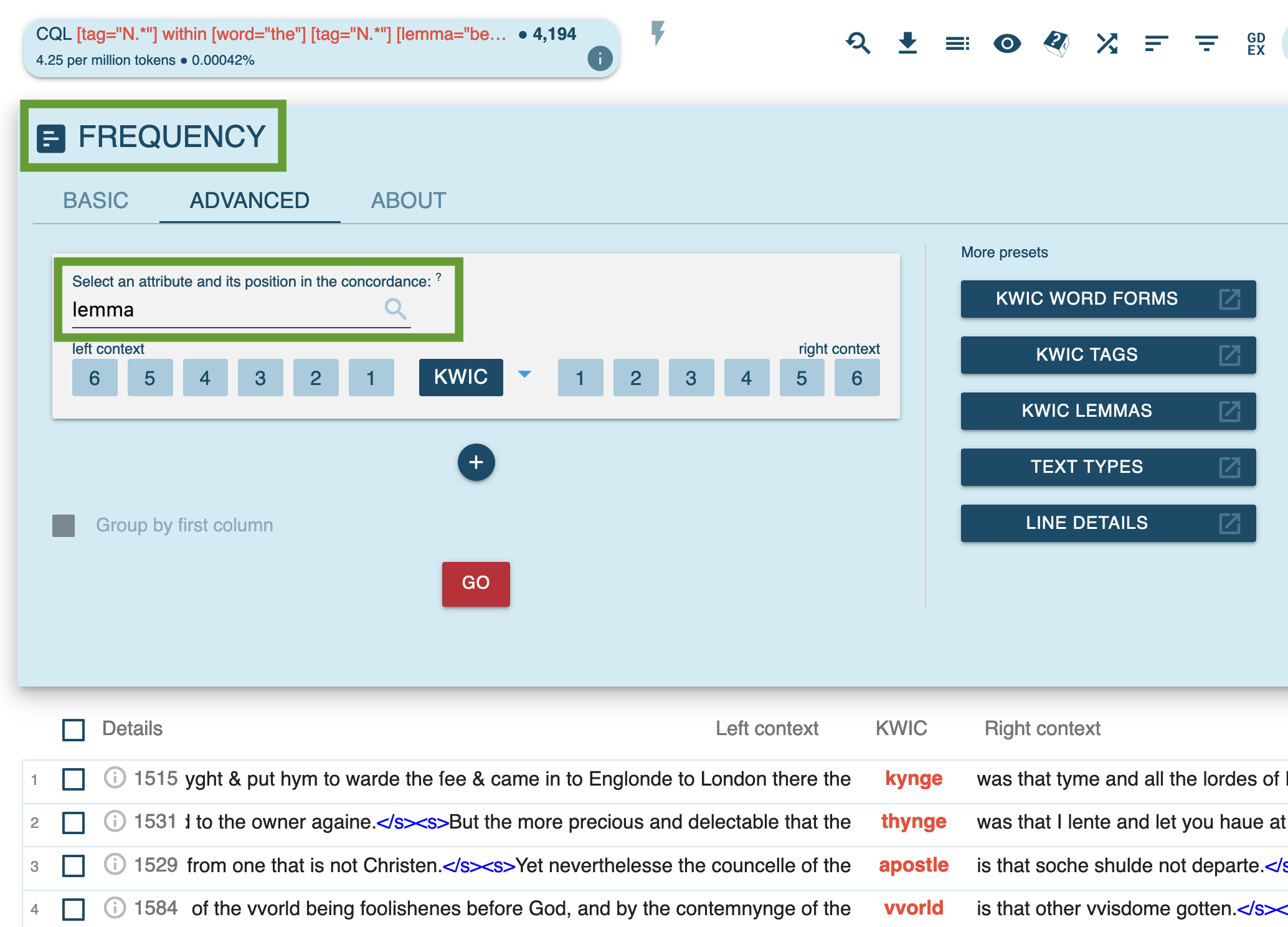
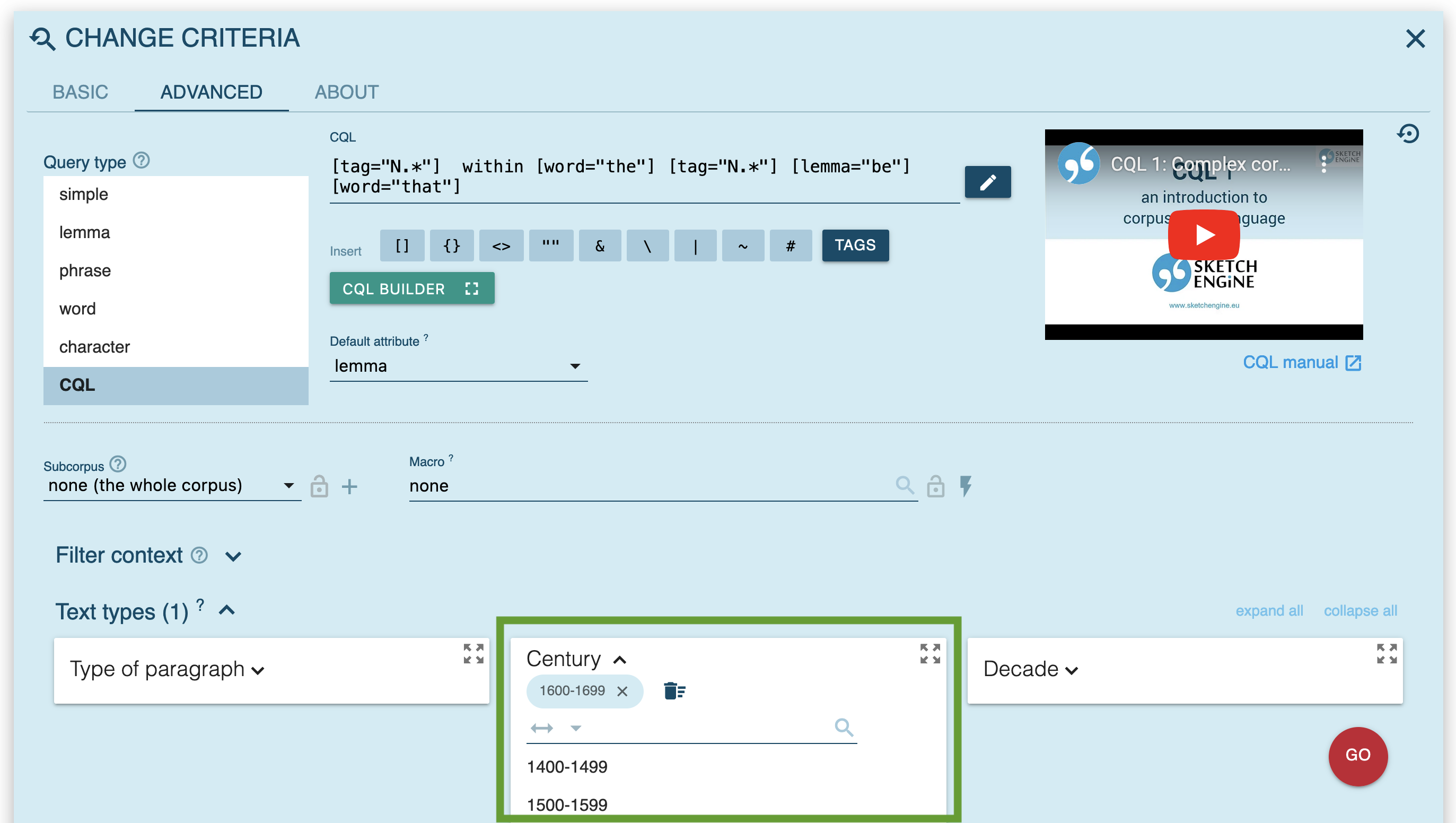
Query specifically for the noun in the construction using CQL

Hint: use the operator within preceding the construction

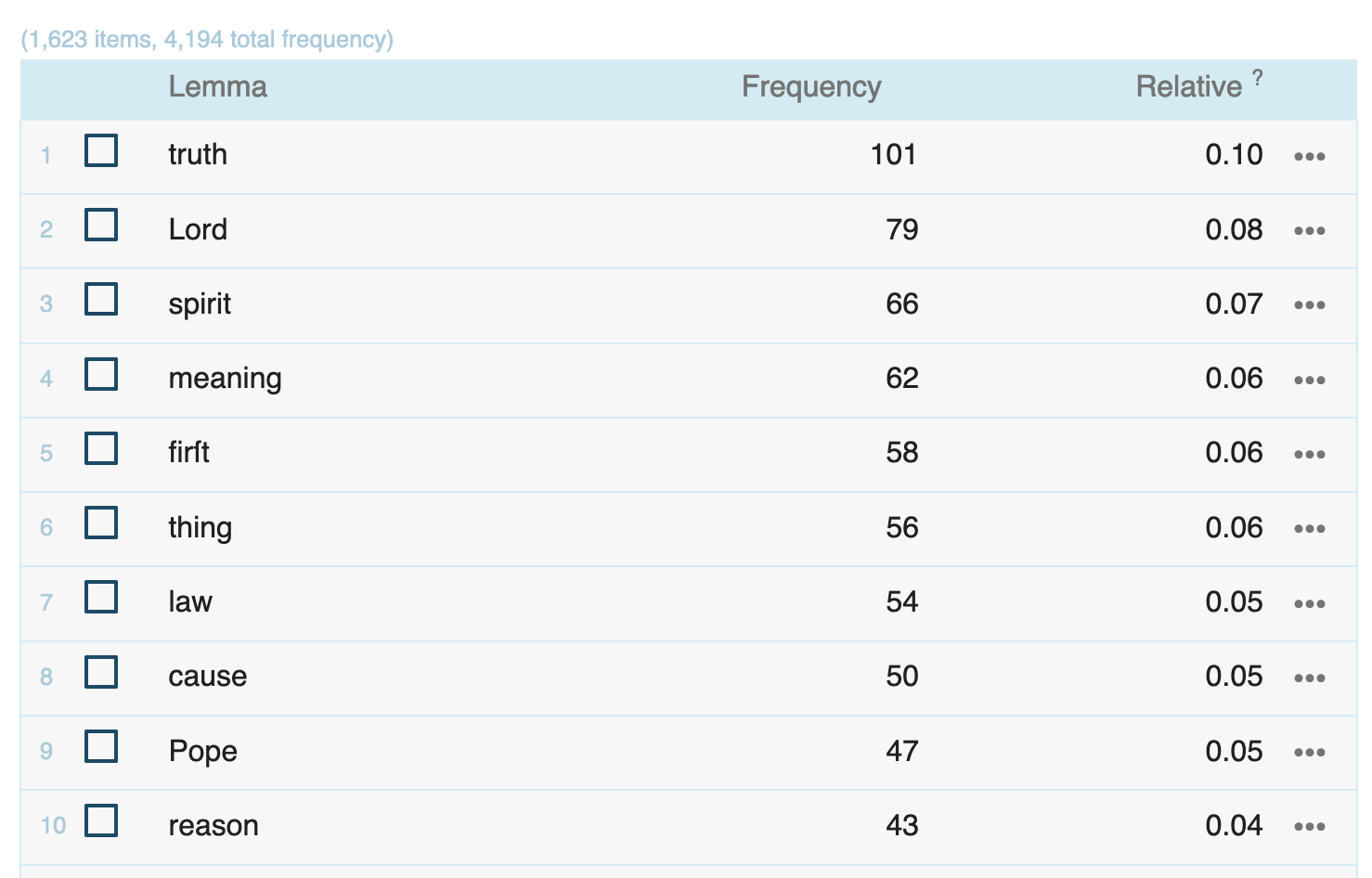
Objective: Identify the most frequent nouns used in the construction

Most Frequent Nouns

Analysis of lexical preferences

Extended frequency analysis

Detailed breakdown of noun frequencies

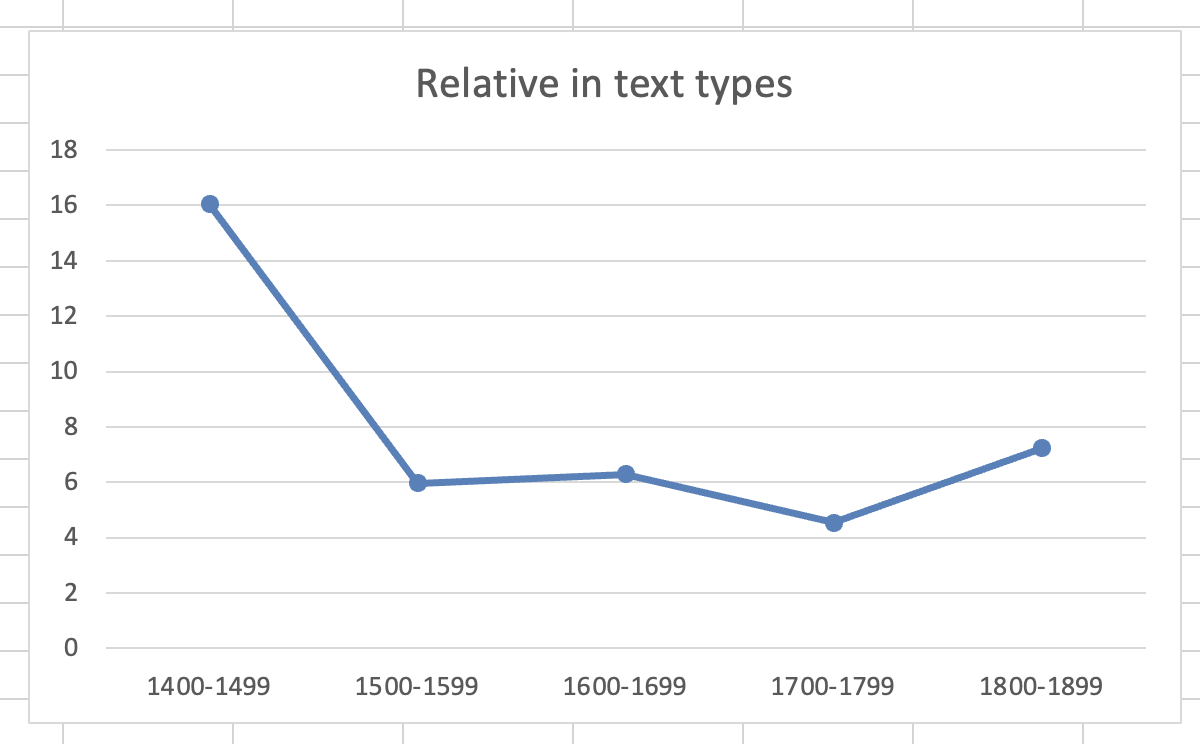
Diachronic Noun Analysis

How noun preferences change over time

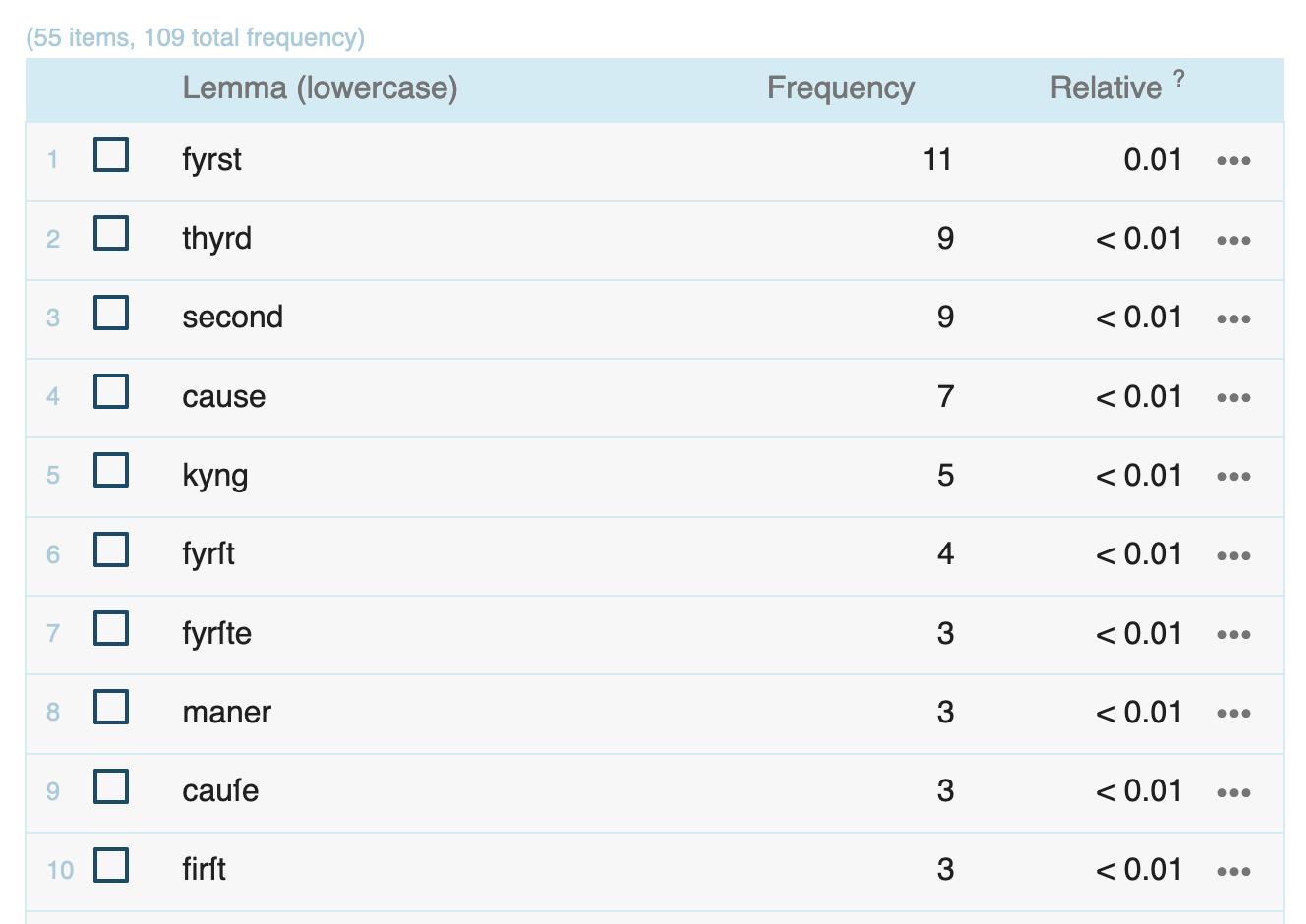
Historical Comparison: 1400–1499

Most frequent nouns in early period

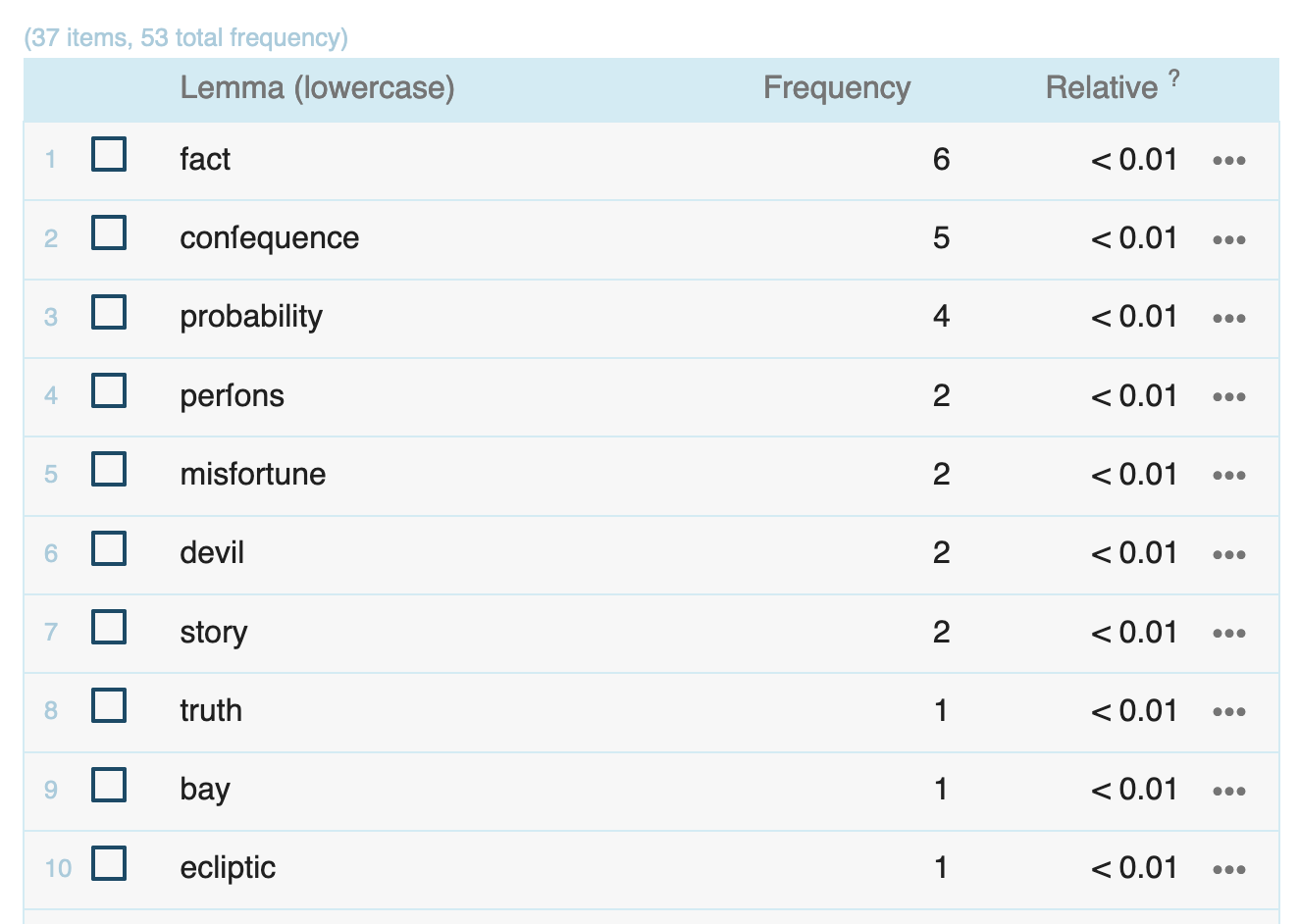
Historical Comparison: 1800–1899

Most frequent nouns in later period

Summary

  • Theoretical framework: EC-Model for understanding syntactic change
  • Methodological skills: Corpus querying, frequency analysis, CQL
  • Research workflow: From hypothesis to interpretation
  • Historical perspective: How constructions evolve over centuries
  • Cognitive perspective: How individual authors’ minds differ and shape language change

References

Schmid, Hans-Jörg. 2020. The Dynamics of the Linguistic System: Usage, Conventionalization, and Entrenchment. Oxford: Oxford University Press.
Schmid, Hans-Jörg, and Annette Mantlik. 2015. “Entrenchment in Historical Corpora? Reconstructing Dead Authors’ Minds from Their Usage Profiles.” Anglia 133 (4): 583–623.